“I need a website.”
We ask who needs to use it, what you want them to do, what words and pictures you already have, and whether the site needs to connect to things like booking, payments, forms, or email.
ROOM 04 / STRATEGY ROOMYou do not need to know the “right” words. A goal, deadline, rough idea, example, or “I know what I want when I see it” is enough. We help turn it into a clear plan.This is where we decide what you need, what comes first, and what the finished work should accomplish. You can arrive with a finished plan or one sentence like “I need help with my website.” We turn that into clear next steps.

Tell us the simple version. What are you trying to change? What feels missing? What already exists? We ask the questions that turn that into something we can build.
We ask who needs to use it, what you want them to do, what words and pictures you already have, and whether the site needs to connect to things like booking, payments, forms, or email.
We figure out the smallest useful mix of website work, photos, video, graphics, or content that would actually help. You do not have to choose the services first.
We look at what should match, what can stay exactly as it is, and what needs to be changed so the pieces feel like they belong to the same business.
You do not have to turn your idea into business jargon. Pick one of the examples above to see how we would start.

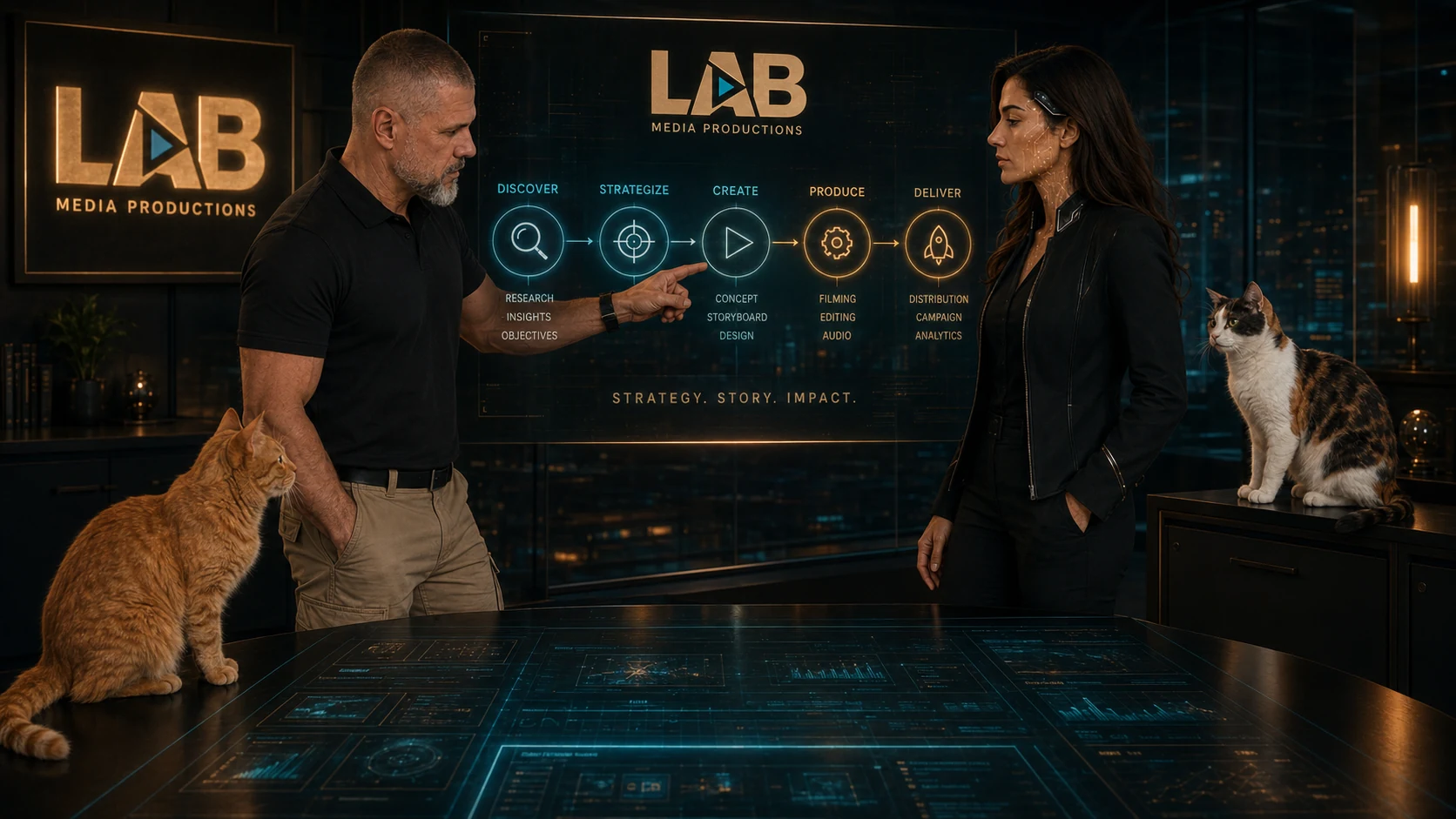
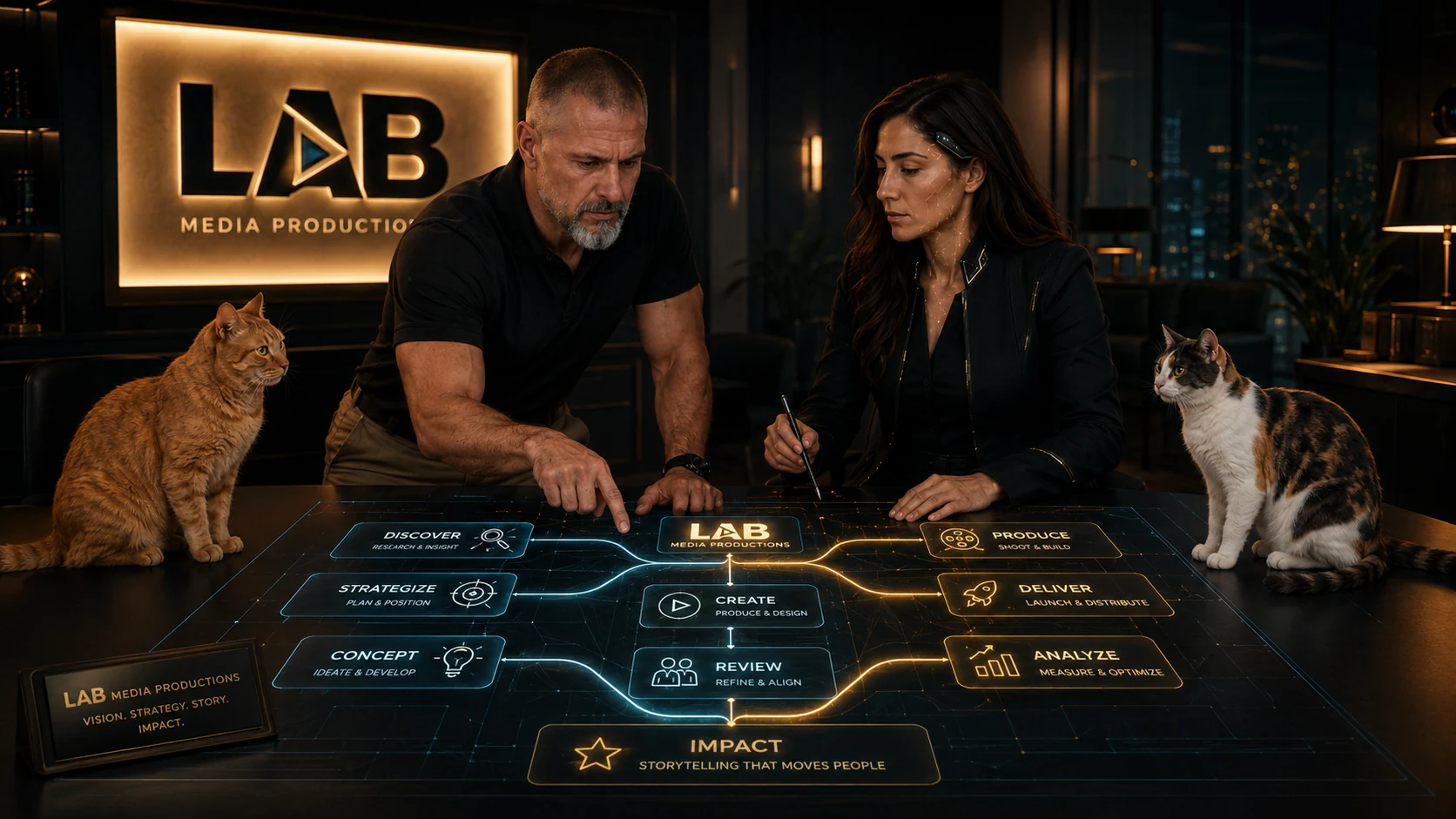
Projects are not all identical, but the basic path is easy to understand: understand the goal, agree on what we are making, put the work in order, build it, review it, then launch or deliver it. Click a step to see what it means.
We separate the things that are required from the things that would simply be nice to have, and we flag questions that still need an answer.
You can see what the project is trying to accomplish and what deserves attention first.
Goals, deadlines, examples, existing files, and reactions like “I like this” or “this does not feel like us” are useful.
“Scope” is just a business word for what we agreed to make. New ideas are normal. When one appears, we tell you whether it fits the current plan, replaces something else, waits until later, or needs its own price and timeline.
No quiet surprises. You see the choice before we change the work: add it, trade something for it, save it for later, or treat it as separate work.
Good idea. Now we decide whether it belongs in the work we already agreed on or should be handled another way.

You do not need design vocabulary. Tell us what feels right, wrong, confusing, too formal, too busy, too slow, or simply “not like us.” We connect that reaction to a specific change. Tap a numbered note in the example below.
That makes it much easier to understand which page, picture, video moment, or design choice you mean.
“Too corporate,” “hard to find,” “too busy,” or “this one feels like us” are useful. We translate the reaction into a design or production change.
Each new version has a clear purpose, so old feedback does not quietly sneak back into the project later.
Once you approve a direction, that becomes the version we build from. We stop circling old options and keep moving.
Instead of hunting through a message thread, we can see the work and the note together.

At important points, we keep four things easy to see: what we are working on now, what comes next, what changed, and what we need from you. Click a card to see a simple example.
The part we are actively building and why it matters right now.
The next useful step, so “we are working on it” never has to be the whole update.
Anything that moved away from the plan, plus what that change means for the project.
A photo, approval, password, answer, or other item we need before the next step can move.
We are building the homepage layout now because the rest of the website will use the same visual rules.
A single video should not feel like a giant corporate project. A website plus photos, video, and content needs more coordination than one flyer. We use only as much process as the work actually needs.
One website update, video, photo session, graphic package, or another clearly defined piece of work.
For example: a website, photos, and video that should share the same message and visual style.
When several parts of how the business looks and communicates need to work together over time.
We still understand, agree, build, review, and deliver. There are simply fewer pieces to coordinate, so the path is lighter.

You do not need to know which service to ask for. Tell us what you want to change, what already exists, and what matters most. We will help turn that into a clear plan.
“Keep the layout. The picture feels too cold and corporate.”
“Use option B. The next step is easier to find on a phone.”